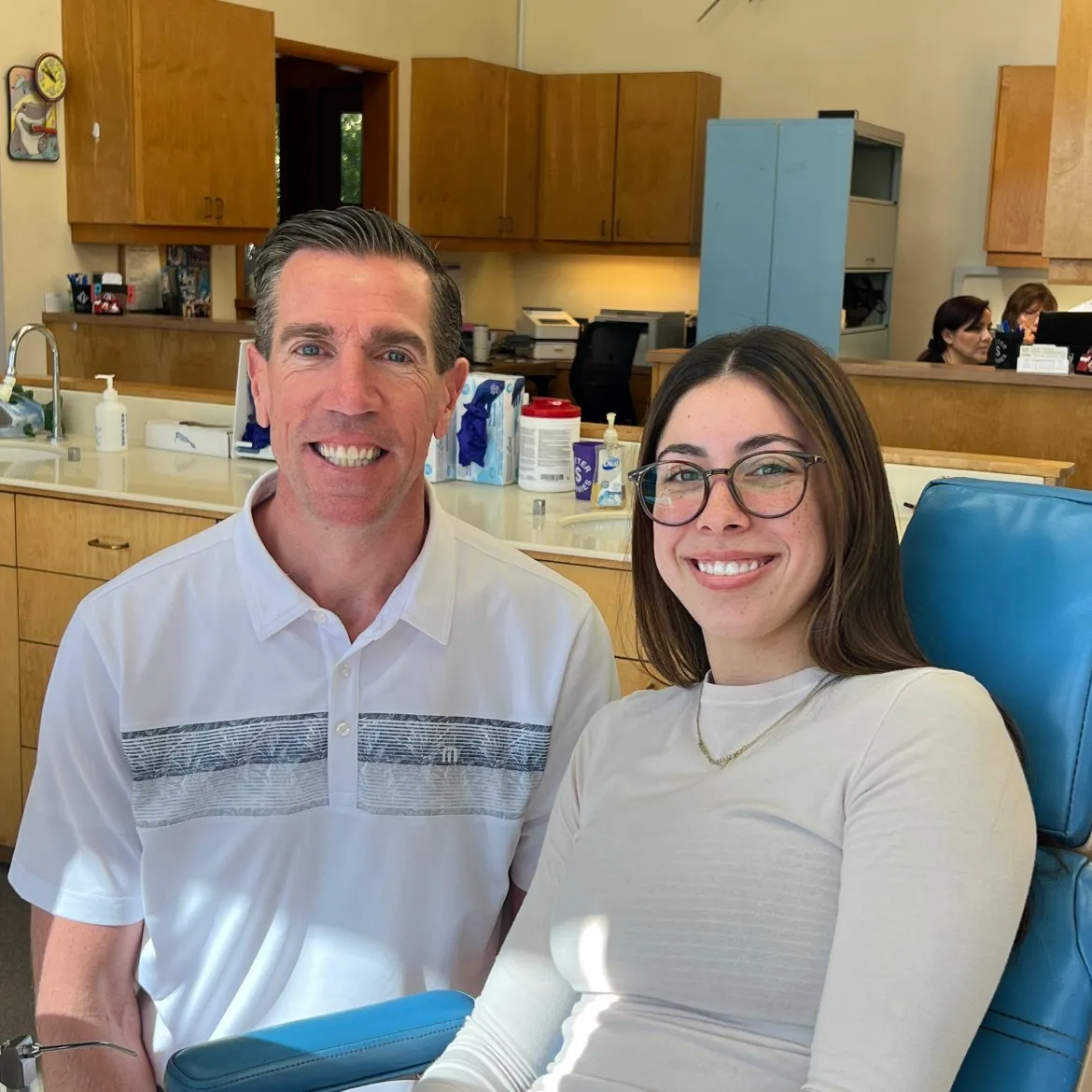

Frequently Asked Questions
Are orthodontists considered dental or medical specialists?
Orthodontists are considered dental specialists. They focus on correcting teeth and jaw alignment issues to improve oral health and aesthetics. While they work closely with general dentists and other healthcare providers, orthodontists primarily specialize in diagnosing and treating malocclusions and bite irregularities.
Do orthodontists offer different treatments than general dentists?
Orthodontists specialize in correcting teeth and jaw alignment issues using braces, Invisalign, and other orthodontic treatments. General dentists focus on overall oral health, including cleanings, fillings, and extractions. While general dentists may offer basic orthodontic services, orthodontists provide specialized treatments for complex cases and comprehensive orthodontic care.
What qualifications are required to become an orthodontist?
To become an orthodontist, individuals typically need to complete a bachelor's degree, followed by a dental degree from an accredited dental school. After dental school, aspiring orthodontists must complete a specialized orthodontic residency program. Board certification may also be pursued for further recognition in the field.
How do insurance plans typically cover orthodontic treatments?
Insurance plans typically cover orthodontic treatments as part of their dental benefits. Coverage varies, but many plans include a percentage of the total cost up to a specified limit. Patients should check their insurance policy for details on coverage, deductibles, and any exclusions related to orthodontic care.
Can orthodontists provide solutions for sleep apnea or TMJ disorders?
Orthodontists can offer solutions for TMJ disorders by providing orthodontic treatments that help align the jaw properly, reducing TMJ symptoms. However, for sleep apnea, orthodontists may work in conjunction with sleep specialists to explore oral appliances that can help manage the condition by adjusting the position of the jaw during sleep.
How important is it to choose an experienced orthodontist for complex dental issues?
Choosing an experienced orthodontist for complex dental issues is crucial. Experience ensures proper diagnosis, personalized treatment plans, and effective solutions. An experienced orthodontist can navigate challenges, minimize risks, and deliver optimal results, enhancing overall oral health and satisfaction.
What are the latest advancements in orthodontic technology and treatments?
The latest advancements in orthodontic technology include:
1. 3D imaging for precise treatment planning.
2. Customized clear aligners for discreet orthodontic treatment.
3. Accelerated orthodontics for faster results.
4. Digital scanners for comfortable impressions.
5. Self-ligating braces for reduced friction and quicker adjustments.
How do orthodontists and maxillofacial surgeons collaborate on patient care?
Orthodontists and maxillofacial surgeons collaborate by coordinating treatment plans for complex cases, such as severe malocclusions or jaw discrepancies. Orthodontists focus on teeth alignment, while maxillofacial surgeons address skeletal issues. Together, they ensure comprehensive care for optimal results in correcting bite and facial harmony.
Are there significant differences in orthodontic treatment approaches among practitioners?
Orthodontic treatment approaches can vary among practitioners based on their expertise, technology used, and treatment philosophy. Differences may include the types of braces offered, emphasis on patient experience, and treatment duration. It's essential to research and consult with multiple orthodontists to find the best fit for your needs and preferences.
What role do orthodontists play in comprehensive dental health care?
Orthodontists play a crucial role in comprehensive dental health care by specializing in correcting misaligned teeth and jaws. They help improve oral health, enhance aesthetics, and boost self-confidence through treatments like braces and Invisalign. Orthodontists work to create balanced, beautiful smiles that contribute to overall well-being and quality of life.
What specializations do orthodontists have?
Orthodontists specialize in various treatments, including braces and Invisalign. They offer services for kids, teens, and adults, addressing alignment issues and enhancing smiles. Orthodontists focus on creating straighter teeth, improving oral health, and boosting confidence through personalized treatment plans.
What treatments do orthodontists offer?
Orthodontists offer a range of treatments, including braces (metal, clear, lingual), and Invisalign aligners. These options cater to patients of all ages, from kids to adults, addressing various orthodontic needs such as teeth alignment, bite correction, and overall oral health improvement. Each treatment is tailored to individual preferences and requirements for optimal results.
What education is needed for orthodontics?
To become an orthodontist, individuals need to complete a bachelor's degree, followed by a dental school program to earn a Doctor of Dental Surgery (DDS) or Doctor of Dental Medicine (DMD) degree. After dental school, aspiring orthodontists must complete a specialized orthodontic residency program to gain the necessary skills and knowledge in orthodontics.
Do insurance plans cover orthodontics?
Insurance plans may cover orthodontic treatment, including braces and Invisalign, depending on the specific plan. It's essential to check with your insurance provider to understand coverage details, such as deductibles, co-pays, and any limitations on orthodontic services. Some plans offer partial coverage for orthodontic treatment, while others may cover it fully.
Can orthodontists treat sleep apnea?
Orthodontists can play a role in treating sleep apnea by using oral appliances to help reposition the jaw and open the airway during sleep. These appliances can be beneficial for certain types of sleep apnea, but consultation with a sleep specialist is recommended for a comprehensive treatment plan.
How crucial is orthodontist experience?
Orthodontist experience is crucial as it ensures quality treatment, personalized care, and successful outcomes. Experienced orthodontists can handle complex cases, offer innovative solutions, and provide patients with confidence in their treatment. Trusting an experienced orthodontist leads to a smoother, more effective orthodontic journey.
Whats new in orthodontic technology?
In orthodontic technology, advancements like digital scanning, 3D printing, and clear aligners (such as Invisalign) are transforming treatment experiences. Accelerated orthodontics, self-ligating braces, and remote monitoring apps are also emerging trends enhancing efficiency and patient comfort in orthodontic care.
How do orthodontists assist surgeons?
Orthodontists assist surgeons by aligning teeth and jaws before surgical procedures, ensuring optimal positioning for successful outcomes. They work collaboratively to address functional and aesthetic concerns, preparing patients for surgical interventions when necessary. This partnership helps achieve long-term oral health and overall well-being for patients undergoing orthodontic and surgical treatments.
Do orthodontic approaches vary widely?
Orthodontic approaches can vary widely based on individual needs, including braces types (metal, clear, lingual), Invisalign, and treatment plans tailored to each patient. The choice depends on factors like alignment issues, aesthetics, and personal preferences, offering a range of options for achieving a straighter smile.
What is an orthodontists role in dental health?
Orthodontists play a crucial role in dental health by specializing in correcting misaligned teeth and jaws. They help improve oral function, enhance aesthetics, and prevent future dental issues. Orthodontic treatment can lead to better overall oral health, increased self-confidence, and improved quality of life for patients.
Are orthodontic consultations typically free?
Orthodontic consultations are often complimentary. At Potter Orthodontics, we offer free in-office and virtual consultations to discuss treatment options and address any questions or concerns. Contact us to schedule your free consultation and take the first step towards achieving your perfect smile.
How do orthodontists correct misaligned teeth?
Orthodontists correct misaligned teeth using various treatments like braces and Invisalign. Braces apply gentle pressure to move teeth into proper alignment over time. Invisalign uses clear aligners to gradually shift teeth. Both methods aim to create a straighter, healthier smile. Regular adjustments ensure progress and optimal results.
Do orthodontists perform oral surgeries?
Orthodontists do not typically perform oral surgeries. Oral surgeries, such as extractions or jaw surgeries, are usually carried out by oral surgeons or maxillofacial surgeons. Orthodontists specialize in straightening teeth and aligning jaws using braces, aligners, and other orthodontic treatments. If surgery is needed as part of orthodontic treatment, the orthodontist will work in conjunction with an oral surgeon to achieve the desired results.
How often should you visit an orthodontist?
It is recommended to visit an orthodontist every 4 to 8 weeks for adjustments and progress checks during orthodontic treatment. Regular visits ensure treatment is on track and any necessary modifications can be made for optimal results.
Can orthodontists detect oral cancers?
Orthodontists can play a role in detecting oral cancers during routine exams. While not their primary focus, orthodontists are trained to recognize abnormalities in the mouth, including signs that may indicate oral cancer. Early detection is crucial for successful treatment, making regular dental visits essential for overall oral health.
Do orthodontists treat all ages?
Orthodontists treat patients of all ages, from children to adults. They provide orthodontic treatments such as braces and Invisalign to correct misaligned teeth and jaws, improving oral health and aesthetics. Whether it's early intervention for kids or adult orthodontic care, orthodontists cater to a wide range of age groups.
How long do orthodontic treatments last?
Orthodontic treatments typically last between 18 to 36 months, depending on the complexity of the case and the type of treatment chosen. Compliance with treatment recommendations, such as wearing aligners or braces as instructed, can also impact the duration of treatment. Regular check-ups and adjustments are essential for successful outcomes.
Are orthodontists experts in braces?
Orthodontists are experts in braces, specializing in aligning teeth and jaws. They offer various types of braces, including traditional metal, clear, and lingual options. Orthodontists tailor treatments to each patient's needs, ensuring optimal results and long-lasting smiles.
How do orthodontists create treatment plans?
Orthodontists create treatment plans by conducting a thorough examination, including x-rays and impressions, to assess the patient's teeth and jaw alignment. Based on this evaluation, they develop a personalized plan that may involve braces or Invisalign to achieve optimal results. Regular adjustments and monitoring ensure progress towards a straighter smile.
Can orthodontists fix jaw misalignments?
Orthodontists can address mild to moderate jaw misalignments through orthodontic treatment. Severe cases may require collaboration with oral surgeons. Treatments like braces or Invisalign can help align teeth and jaws, improving both function and aesthetics. Consultation with an orthodontist is essential to determine the best course of action.